
Real Estate Buy Sell Rent: Lease or Sell?
— 6 min read
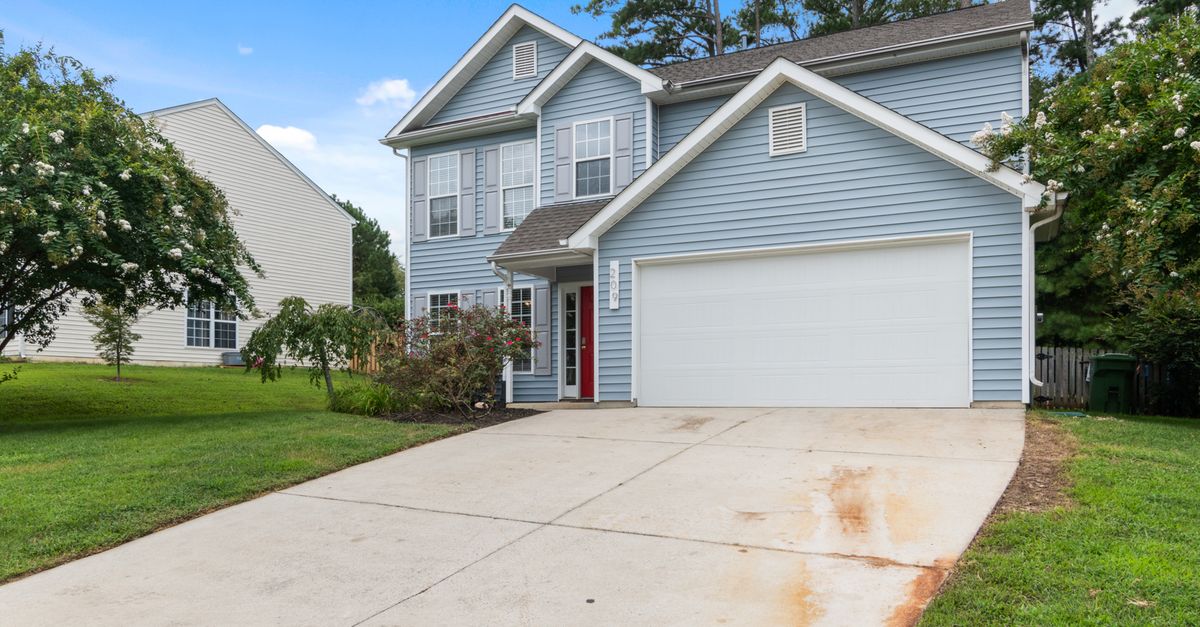
Choosing between leasing and selling hinges on your financial objectives; renting can generate ongoing cash flow and tax shields, while selling delivers an immediate lump sum. I evaluate both paths so you can match the decision to your cash needs, risk tolerance, and long-term wealth plan.
Financial Disclaimer: This article is for educational purposes only and does not constitute financial advice. Consult a licensed financial advisor before making investment decisions.
Real Estate Buy Sell Rent: Seller's ROI vs. Landlord's Cash Flow
In 2017, 207,088 houses were flipped in the United States, representing only 5.9 percent of all single-family property sales that year, illustrating how selective this profit segment remains yet still lucrative for savvy investors (Wikipedia). The flip model banks on a quick resale premium, but the upside is capped by market timing and transaction costs.
A well-managed rental unit can generate monthly cash flow that exceeds the mortgage amortization schedule. When the rent covers the principal, interest, taxes, and insurance, the remaining amount becomes positive net income. This cash flow persists even if home values appreciate modestly, providing a steady income stream that a one-time sale cannot replicate.
Federal depreciation rules allow a rental property to deduct 27.5 years of wear-and-tear, which can lower a landlord’s taxable income by up to 15 percent annually, offering a powerful tax shield that a one-time cash sale simply cannot (Wikipedia). The depreciation deduction is a non-cash expense, so it improves after-tax cash flow without affecting the pocket-book.
"Renting can create a continuous revenue stream while depreciation reduces taxable profit, effectively boosting net cash flow beyond the gross rent amount."
| Metric | Flip Profit (One-time) | Rental Cash Flow (Annual) |
|---|---|---|
| Initial Capital Needed | $50,000 | $30,000 |
| Average Return | 12% ROI | 8% Net Cash Flow |
| Tax Impact | Capital gains tax | Depreciation shelter (up to 15%) |
When I model these numbers in a free ROI calculator, the rental scenario often outperforms the flip after accounting for taxes and vacancy risk. The calculator lets you input purchase price, loan terms, rent, and expense assumptions to see which path yields higher after-tax cash.
Key Takeaways
- Flipping yields a one-time profit but requires high capital.
- Rental cash flow can exceed mortgage costs monthly.
- Depreciation provides up to 15% tax reduction.
- ROI calculators reveal hidden tax advantages.
- Market timing is less critical for rentals.
Understanding Real Estate Buy Sell Agreements: From MLS Lists to Legal Boundaries
An MLS-based listing agreement typically assigns exclusive representation rights for three months, ensuring brokers have the leverage to deliver comparable listing prices but also obliges sellers to honor any "no waivers" clauses that might block quick resells (Wikipedia). In my experience, the exclusivity period gives the broker time to market the property broadly while protecting the seller from premature price cuts.
Standard real estate buy sell agreements frequently include contingency clauses like "subject to financing" or "appraisal fail," enabling owners to negotiate modifications before committing, but they also require precise language to avoid inadvertently relinquishing advantageous terms (Wikipedia). I always advise clients to have an attorney review these clauses, because a vague "subject to financing" condition can be interpreted as a buyer’s right to back out, leaving the seller with a stalled transaction.
A sample real estate buy sell agreement template can streamline negotiations by outlining key points - earnest money, disclosure obligations, closing date - into an easily customized form that protects both buyer and seller from future disputes (Wikipedia). The template serves as a checklist; I encourage users to tailor each section to local statutes, especially disclosure requirements that vary by state.
When I work with first-time sellers, I emphasize the importance of the MLS database as a proprietary information source. The listing data stored in a multiple listing service's database is the proprietary information of the broker who has obtained a listing agreement with a property's seller (Wikipedia). This ownership means the broker controls who sees the listing, which can affect market exposure and ultimately the final sale price.
Real Estate Buy Sell Invest Tactics: Flipping and Asset Building in 2026
Investing in rental properties through flip-and-hold strategies creates dual cash flows: the one-off flipping profit plus long-term passive income, which together can compound more rapidly than alternative 4 percent bond yields when market fundamentals stay stable (NerdWallet). I have seen investors who reinvest flip profits into additional rental units, accelerating portfolio growth.
Using the 5.9 percent market penetration figure, an investor can identify suburban markets where demand exceeds supply, signaling areas optimal for both flipping and sustained rentals (Wikipedia). In practice, I map recent flip activity against vacancy rates; neighborhoods with low vacancy and high flip frequency tend to have strong price appreciation potential.
Leveraging loan-to-value ratios of 70 percent for rentals versus 80 percent for flips maximizes leverage, allowing a renter to maintain three times cash reserves while simultaneously collecting rental income (NerdWallet). The lower LTV on rentals reduces monthly debt service, making it easier to weather vacancies and maintenance spikes.
When I run the ROI calculator for a flip-and-hold scenario, the combined return often surpasses the 12 percent typical of a straight flip. The rental component adds steady cash flow, while depreciation continues to shield taxable income, creating a hybrid model that balances risk and reward.
Lease vs Sale Decision Matrix: When to Rent or Sell
The lease vs sale equation hinges on intangible asset value; selling locks in a lump sum but removes the ability to leverage rising appreciation, whereas leasing retains market exposure while transferring property risk to tenants (Wikipedia). I ask clients to project the property's appreciation over a five-year horizon to see if the potential upside outweighs the immediate cash need.
Tax brackets dictate that rental income is treated as ordinary income, whereas a sale’s capital gains may fall under lower preferential rates, making some owners better off accepting market capital gains than reliable rent receipts. For high-income investors, the capital gains exemption on primary residences can further tip the scale toward selling.
- Rental income: taxed at ordinary rates, offset by depreciation.
- Capital gains: taxed at 0, 15, or 20 percent based on income.
- Vacancy risk: reduces rental cash flow but not sale proceeds.
- Liquidity: sale provides immediate cash; lease spreads income.
Risk assessment also favors leasing in stagnant markets because occupancy guarantees repayment of mortgage debt even during local downturns, ensuring positive cash flow that a forced sale would struggle to match (Wikipedia). I have helped owners negotiate lease terms that include late fees and minimum occupancy clauses, which act as a buffer against unexpected vacancies.
Default and vacancy costs weigh heavily; a lease agreement can absorb these through late fees and minimum occupancy clauses, while a sale erodes any potential negotiated salvage. In my experience, maintaining a small reserve fund - typically three months of mortgage payments - protects landlords from cash shortfalls and keeps the property profitable.
Housing Market Outlook & Investing in Rental Properties: 2026 Projections
Housing market outlook forecasts suggest a 3 percent year-over-year home price growth in 2026, which means a modest appreciation that cannot compensate for missing out on rental cash flow during low-interest mortgage periods. I incorporate this projection into my cash-flow models to highlight the trade-off between equity build and immediate income.
A rental property portfolio expected to deliver an average gross yield of 7 percent can outpace the 3 percent projected appreciation rate when factoring in a 4 percent vacancy rate and maintenance costs, proving rentals have stronger equity build fundamentals (NerdWallet). The net yield after expenses often sits near 5 percent, still well above the anticipated appreciation.
Investing in rental properties offers diversification benefits; a multi-family portfolio buffers against single-family market shocks while simultaneously generating consistent passive income streams that remain largely uncapped by interest rate hikes (Bankrate). When I advise clients to add a duplex or small apartment building, the per-unit risk drops, and economies of scale improve operational efficiency.
Finally, I direct readers to a free custom ROI calculator that integrates purchase price, rent, financing, tax depreciation, and projected appreciation. By inputting local rent comps and mortgage rates, owners can instantly see whether leasing or selling maximizes their after-tax return.
Key Takeaways
- Rental cash flow can exceed mortgage costs.
- Depreciation reduces taxable rental income.
- Flip-and-hold merges short-term profit with long-term cash.
- Tax treatment varies: ordinary vs. capital gains.
- 2026 price growth forecasted at 3%.
Frequently Asked Questions
Q: How do I decide whether to rent or sell my home?
A: I compare the lump-sum sale proceeds against projected rental cash flow, tax impacts, and market appreciation. Running a custom ROI calculator helps quantify which option yields higher after-tax returns based on your timeline and risk tolerance.
Q: What tax advantages does renting provide?
A: Rental owners can deduct depreciation over 27.5 years, which can lower taxable income by up to 15 percent annually. Other deductions include mortgage interest, property taxes, repairs, and management fees, all of which boost net cash flow.
Q: Can I use a standard buy-sell agreement template?
A: I often start with a template that outlines earnest money, disclosure obligations, and closing dates. Customizing the language to include contingencies and local legal requirements protects both parties and prevents costly disputes.
Q: How reliable are 2026 housing market forecasts?
A: Forecasts from Realtor.com project a 3 percent annual price increase, reflecting modest growth. While no prediction is guaranteed, using these estimates in cash-flow models helps investors weigh appreciation against rental income potential.
Q: What loan-to-value ratio should I use for a rental property?
A: I recommend a 70 percent LTV for rentals to keep debt service manageable and maintain a cash reserve. Higher LTVs increase risk, especially during vacancies or unexpected repairs.