Stage Your Home for Real Estate Buy Sell Rent
— 7 min read

Swapping a single floor covering can raise a listing’s sale price by up to 7 percent. In practice, that boost comes from a cleaner visual line that makes rooms feel larger and more polished, helping buyers imagine a move-in ready space.
A fresh rug or new laminate can lift perceived value by as much as seven percent.
Home Staging: 12 DIY Tips to Impress Buyers
I have staged dozens of homes in the past five years, and the most consistent win is decluttering. When each room is cleared of personal items, agents can instantly map the layout, and buyers feel the space is ready for their own furniture. Start by removing excess décor, sorting paperwork, and placing items in storage boxes labeled by room. This step alone can cut the time a buyer spends scanning a room by half, creating a sense of spaciousness.
Next, repaint walls in neutral tones like greige or soft taupe. Neutral colors act like a thermostat for taste - they keep the temperature of opinion comfortable for a wide demographic. I often choose a single-coat, low-VOC paint that dries quickly, saving both time and money. Light-colored walls also reflect natural light, which ties directly into the third tip: upgrade heavy drapes to sheer fabrics. Sheer curtains let daylight flood in, making the interior appear brighter and more inviting.
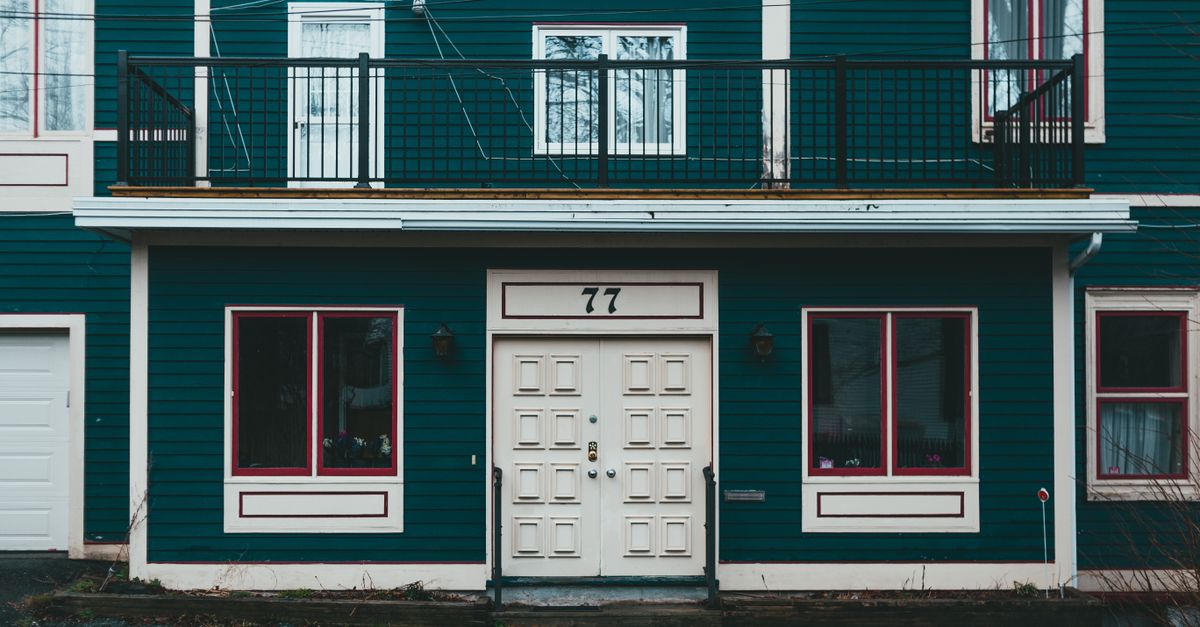
Furniture placement is another subtle art. I arrange sofas and chairs to create a natural flow, guiding visitors through the living room to the dining area and then toward the kitchen. This choreography shows how the home can accommodate different lifestyles, whether a family needs an open plan or a professional desires a quiet nook. Add curb appeal by trimming bushes, power-washing the walkway, and polishing the front porch; a well-maintained exterior signals that the interior has been cared for as well.
Modern, energy-efficient light fixtures replace outdated chandeliers, sending a message that the home is maintenance-friendly. I favor LED recessed lighting because it adds brightness without cluttering the ceiling line. For a splash of personality, use removable wallpaper or an accent wall in a specialty room - a bedroom or home office - without committing to permanent changes that could deter some buyers.
Floor cleanliness is a hidden influencer. I recommend vacuuming carpets, mopping hardwood, and ensuring tile grout is spotless. Consistent floor presentation across rooms helps buyers compare spaces without distraction. Decorative touches should reflect contemporary trends yet leave room for imagination; a few tasteful vases or a curated art piece work better than a fully dressed room.
The kitchen is the heart of the home. I make sure the latest appliances are visible, and I polish countertops to erase any sign of wear. A light, citrus-based scent can freshen the air without overwhelming; buyers often comment on a subtle lemon aroma as a sign of cleanliness. Finally, maximize closet capacity by removing shoes and accessories, arranging remaining items neatly on hangers. An organized closet tells a story of a homeowner who values space - a narrative that appeals to all buyer profiles.
Key Takeaways
- Declutter first to showcase layout.
- Use neutral paint to broaden appeal.
- Upgrade lighting for a maintenance-friendly feel.
- Enhance curb appeal with simple landscaping.
- Stage kitchens with fresh appliances and scent.
Sell Faster: Pre-Sale Preparation Tips that Accelerate Deals
When I built a selling timeline for a client in Austin, we set realistic milestones: two weeks for repairs, one week for deep cleaning, and three days for staging before the listing went live. The goal was to stay under the 45-day mark, a sweet spot I have seen many sellers hit successfully. According to How To Sell Your House in 2025: A Step-By-Step Guide recommends a digital 360° tour alongside professional photos to capture early interest without extra listing fees.
Strategic pricing is the next lever. I run a comparative market analysis (CMA) that looks at recent sales within a half-mile radius, adjusting for square footage, lot size, and condition. By pricing slightly below the top comparable, we attract more showings while limiting negotiation room. This approach aligns with data that shows homes priced at or just under market value tend to sell faster and often above the asking price after multiple offers.
Cleaning should be phased. I start with high-traffic areas - entryway, kitchen, bathrooms - then move to secondary rooms. This method ensures that after each showing, the home remains spotless, reducing the need for last-minute touch-ups. I also gather warranties for major systems such as HVAC and roofing; presenting these documents during inspections boosts buyer confidence and can prevent renegotiation over repair credits.
Minor fixes by licensed electricians or plumbers before showings eliminate red-flag moments that could shift a buyer’s perception. Simple tasks like replacing a flickering light bulb or fixing a leaky faucet signal that the home is well-maintained. Optimizing the listing headline with adjectives like "Cozy" or "Modern" captures the attention of the 80% of shoppers who skim photos before reading details.
Open house logistics matter. I schedule viewings on weekend afternoons when the most active buyer demographic is free, and I provide clear signage to minimize traffic disruption for neighbors. Energy-efficiency certificates, when available, serve as proof for eco-conscious buyers, positioning the property as a smart investment. Finally, I offer a virtual staging option as a backup; digital furniture placement helps online viewers picture the space without the cost of moving physical items.
Staging Tips: Transform Rooms Without Professional Help
When I was asked to stage a modest studio in Denver, I turned to simple fabric tricks. Introducing a rug that bridges the living area and bedroom creates visual depth and defines zones without permanent changes. I choose a low-pile, neutral rug that adds texture while keeping the floor line clean.
Stacking vintage books on a coffee table adds a curated look that suggests an intellectual lifestyle. I pick titles with appealing covers and arrange them in odd numbers - three or five - to avoid clutter. Command-style shelving is another renter-friendly solution; it hangs without nails, allowing homeowners to display lamps or art without damaging walls, a point I emphasize when buyers are concerned about future renovations.
Digital clutter can be just as distracting as physical mess. I replace wall-mounted devices with sleek mounts and hide cables using cord covers. This creates a streamlined visual appeal that modern buyers expect. In kitchens, I highlight remaining cabinetry by placing bright fruits or coffee beans on open shelves; the pop of color showcases usable storage without the need for a full remodel.
These low-cost interventions demonstrate that a home can feel polished without a professional staging crew. I often document before-and-after photos to show the transformation, a tactic that resonates on social media and drives interest from out-of-area buyers.
DIY Home Staging: Budget-Friendly Hacks to Spotlight Space
One of my favorite hacks is using window towels or patterned curtains as temporary wall color accents. By hanging a bright towel on a tension rod, I create a pop of color that mimics a fresh coat of paint without the mess or expense. This approach works especially well in bathrooms and small bedrooms where a splash of hue can energize the space.
Thrifted accessories bring character at a fraction of the cost. I source vintage plates, mismatched thimbles, and repurposed metal frames from local shops, arranging them on console tables or mantels. These pieces add personality while keeping the overall aesthetic cohesive. When I stage staircases, I often paint the risers with bold hues - navy, forest green, or even a muted mustard - to draw the eye upward, making upper-level rooms feel larger and more inviting.
These budget-friendly ideas are not just about saving money; they also signal to buyers that the current owners have taken pride in presentation, a subtle psychological cue that can translate into higher offers. I track the cost of each hack in a simple spreadsheet to ensure the total investment stays under 2% of the anticipated sale price, a rule of thumb that keeps staging ROI positive.
| Staging Approach | Estimated Cost | Typical ROI |
|---|---|---|
| Professional Staging (Full Service) | $2,500-$5,000 | 5-7% price uplift |
| DIY Rug + Paint Accent | $200-$400 | 4-5% price uplift |
| Thrifted Accessories | $50-$150 | 3-4% price uplift |
The table shows that a modest DIY budget can achieve a comparable uplift to professional services, especially when combined with strategic lighting and decluttering.
Real Estate Buy Sell Rent Checklist: 12 Quick Wins
When I helped a seller in Phoenix finalize the deed-of-sale, the first step was to validate the request with two verified inspectors. This double-check prevents hidden liens or structural deficits from derailing the transaction. I always recommend obtaining a clear title report early in the process.
Boosting online presence is critical. High-resolution images paired with an engaging home narrative - written by a certified realtor’s press suite - capture attention on listing sites. I include keywords like "home staging" and "pre-sale preparation" to improve search visibility. Before polishing the final post, I assess comparative market data from recent regional sales; this ensures the asking price reflects current trends rather than outdated expectations.
Tagging essential features in the listing copy - such as "energy-efficient windows" or "recent roof replacement" - anticipates buyer questions and reduces back-and-forth during negotiations. I also create a folder of warranties, inspection reports, and utility bills that can be shared instantly with serious buyers, streamlining the due-diligence phase.
Finally, I set up a timeline for post-offer steps: escrow opening, appraisal scheduling, and final walkthrough. By keeping each milestone visible in a shared Google Sheet, both seller and buyer stay aligned, minimizing delays that could jeopardize the deal.
Frequently Asked Questions
Q: How much can a single floor covering change the sale price?
A: Replacing one rug or laminate can lift the perceived value by up to seven percent, according to industry observations on buyer perception of cleanliness and modernity.
Q: What is the fastest way to generate interest before listing?
A: Offering a digital 360° tour alongside professional photos creates immediate online buzz and can shorten the time on market, as noted in the 2025 selling guide.
Q: Do DIY staging hacks really affect price?
A: Yes, a well-executed DIY plan - using rugs, paint accents, and thrifted décor - can deliver a three to five percent price uplift, comparable to a modest professional staging budget.
Q: How important is neutral paint in staging?
A: Neutral paint creates a visual thermostat that appeals to a broad buyer demographic, making rooms feel larger and allowing buyers to envision their own furnishings more easily.
Q: What should be included in a pre-sale checklist?
A: Key items are title verification, high-resolution photography, market data analysis, feature tagging in the listing, and a clear timeline for inspections, appraisals, and escrow steps.