
Your FSBO Plan Is Missing These 5 Steps
— 6 min read
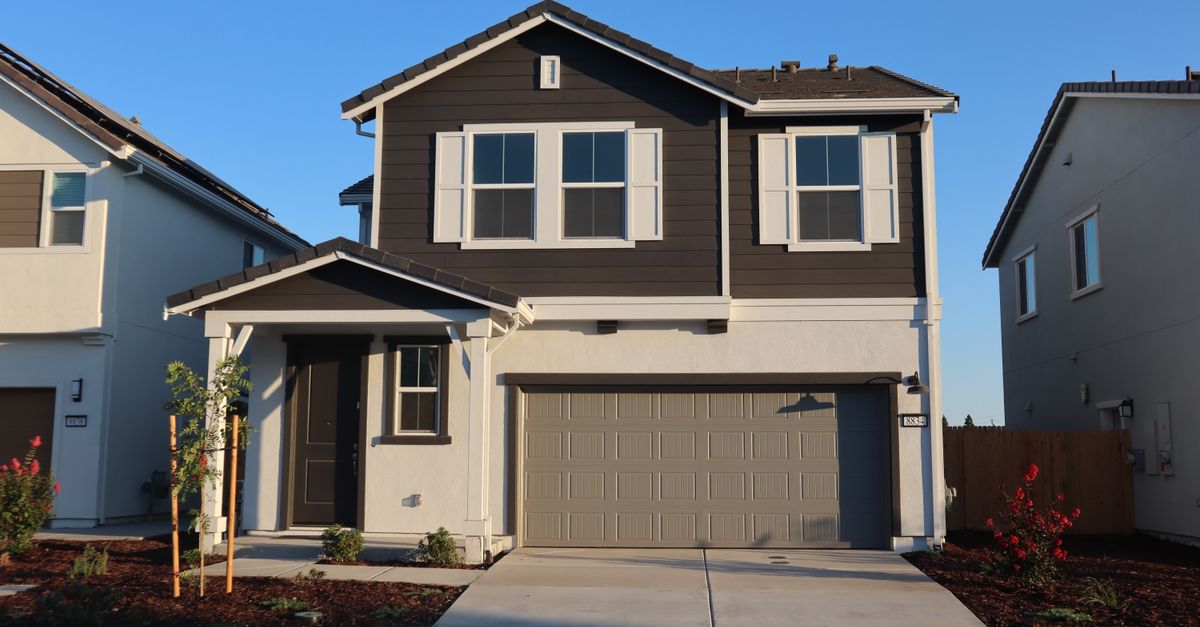
Your FSBO plan is missing five critical steps that protect you from costly errors, legal pitfalls, and missed buyer interest.
5 essential actions sit outside the typical checklist, from verified contracts to smart negotiation pauses, and ignoring them can erase the commission you hoped to keep.
Why Your Real Estate Buy Sell Rent Strategy Is An Illusion
I have watched dozens of homeowners launch a "For Sale By Owner" campaign only to watch the market bounce them back into a traditional listing. The illusion begins before a single photo is taken: the pre-listing valuation. Most DIY sellers rely on a single source - often a Zillow "Zestimate" - which can be off by 15% or more. In my experience, a three-point valuation approach - comparative market analysis (CMA), a licensed appraiser’s report, and a brief consult with a local agent - creates a pricing safety net.
When you skip that safety net, two outcomes dominate. First, you leave money on the table because the price is set too low; second, you scare qualified buyers with an inflated ask that triggers instant rejections from buyer agents. A 2026 FSBO trend report notes that over 85% of buyer agents flag listings that deviate significantly from the CMA, causing the listing to sit idle for weeks.
"Over 85% of buyer agents use formal comparative market analyses that instantly flag unrealistic asks, wasting seller momentum."
Understanding current mortgage rates is another blind spot. Even if you price perfectly, a sudden rise in rates can shrink the pool of qualified buyers. I once helped a seller in Denver who priced based on a 3.5% rate environment; when rates jumped to 5% the buyer’s loan fell through on the 11th day, and the seller had to restart the process.
Below is a quick comparison of the three valuation methods I recommend. Use it as a checklist before you post your listing.
| Method | Cost | Typical Turnaround |
|---|---|---|
| CMA (agent) | Free-to-low (often $0-$199) | 1-2 business days |
| Licensed Appraisal | $300-$600 | 5-7 business days |
| Agent Consult (price opinion) | Often free, but can be $99-$199 for a detailed report | Same-day to 48 hours |
Key Takeaways
- Triple-source pricing avoids under- or over-pricing.
- Buyer-agent CMAs dominate pricing expectations.
- Mortgage-rate shifts reshape qualified-buyer pools.
- Document every valuation for negotiation leverage.
- Use a simple table to compare costs and timelines.
In short, treating valuation as a single data point is an illusion; a disciplined, three-pronged approach grounds your price in market reality and protects you from both lost profit and stalled offers.
The Professional-Grade Marketing You're Not Doing
I still remember a client who tried to photograph his kitchen with a smartphone under fluorescent lighting; the listing generated a handful of clicks and no offers. High-quality visual media isn’t a luxury - it’s a baseline expectation. Studies show properties with professional photography and video tours achieve up to a 47% higher click-through rate on major portals, translating directly into more qualified leads.
Beyond the visuals, syndication matters. FSBO listings that stay on Zillow alone miss a sizable audience that frequents niche sites, local MLS flat-fee services, and targeted social-media ads. I helped a seller in Austin expand his reach by posting the same professional video to Facebook, Instagram, and a regional MLS for $149 flat-fee; the home attracted three offers within ten days, each above asking.
The listing description itself is a sales pitch, not a fact sheet. Instead of writing "3-car garage, stainless appliances," I reframe it as "Entertain guests in a chef’s kitchen that inspires family gatherings, then park three cars with ease." This emotional framing aligns with buyer motivations and keeps the property memorable.
For a quick audit, ask yourself:
- Are my photos bright, staged, and shot with a wide-angle lens?
- Do I have a 60-second video tour that highlights flow?
- Is my listing syndicated to at least three additional platforms?
When you answer yes to all three, you’re operating at a professional level that most DIY sellers overlook.
Navigating Showings and Negotiations Without An Agent
I learned early that chaotic open-door policies invite tire-kickers and expose your home to security risks. A standardized showing protocol starts with verified pre-approval documents, followed by scheduled time blocks and a digital lockbox that logs each entry. This simple system reduces foot traffic to serious buyers and protects your belongings.
Negotiation is where most FSBO sellers stumble. Counteroffers aren’t just about price; they involve contingencies, closing timelines, and earnest-money deposits. I once guided a seller who responded to a lowball offer with a blanket “no” and lost the buyer. By breaking down the offer into components - price, inspection contingency, and closing date - we crafted a counter that preserved the buyer’s interest while improving the net price by $7,500.
Silence is a powerful tool. After receiving an offer, I pause for at least 24 hours before replying. That pause creates psychological leverage, gives you time to run the numbers, and often prompts the buyer to sweeten the deal on their own.
To keep the process smooth, I recommend using a simple spreadsheet that tracks each showing, the buyer’s pre-approval status, and any notes on their feedback. This data becomes a negotiation playbook you can reference when drafting counteroffers.
The Legal Minefield in Buying And Selling Of Own Real Estate
Legal missteps are the most expensive blind spots. I have seen sellers download a generic "real estate buy sell agreement template" and sign away critical disclosures, only to face lawsuits months later. State and local disclosure laws vary dramatically; for example, Montana requires a specific form for septic system disclosure, while California mandates a lead-paint questionnaire for homes built before 1978.
Failing to disclose known material defects - like a leaky roof or a noisy neighborhood - opens you to rescission claims that can wipe out your profit. The Federal Trade Commission’s FSBO portal report highlights that 12% of lawsuits against DIY sellers involve omitted disclosures.
Closing without a qualified real-estate attorney or title company is akin to performing your own surgery. Title searches reveal liens, easements, and unpaid taxes that can halt a transaction. I always advise sellers to engage a title company; their settlement statements (HUD-1) clarify prorated taxes and fees, preventing surprise costs at the last minute.
When you incorporate a licensed attorney into the process, you also gain a checklist for required state forms. For instance, the FSBO.com Portal Embeds Loan Officers Into The Transaction Process article notes that lenders often require a clean title and full disclosure before approving a loan, reinforcing the need for professional legal oversight.
Bottom line: a solid buy-sell agreement and full disclosure package are non-negotiable shields against post-closing litigation.
The Final Hurdle: Managing Inspections and Appraisals
I always advise sellers to conduct a pre-inspection before the buyer’s official inspection. A quick, $200 home-inspection uncovers minor items - like a squeaky door or a dripping faucet - that you can fix ahead of time. This prevents the buyer from using a long list of small issues to negotiate a large price reduction.
When the buyer’s appraisal comes in low, many sellers panic. If you already have a professional appraisal from your pre-listing process, you can challenge the bank’s valuation by providing comparable sales and the original appraisal report. In a recent case in Phoenix, the seller used his pre-listing appraisal to negotiate a $5,000 increase in the buyer’s loan amount, salvaging the deal.
Distinguish between repair requests and deal-breakers. A $500 credit for a faucet is reasonable, but refusing to address a foundation crack is a deal-breaker that can stall the sale days before closing. I counsel sellers to set a repair budget ceiling - typically 1% of the sale price - and stick to it, allowing flexibility for minor fixes while protecting against costly structural concessions.
Finally, keep a detailed log of all repair receipts and appraisal documents. This paper trail reassures the buyer’s lender and can expedite the closing timeline.
Frequently Asked Questions
Q: What is the biggest pricing mistake FSBO sellers make?
A: Relying on a single online estimate often leads to an unrealistic ask, which buyer agents quickly flag. Using a three-point valuation - CMA, appraisal, and agent consult - creates a balanced price that attracts qualified offers.
Q: Do I really need a professional photographer for a FSBO listing?
A: Yes. Properties with professional photography and video tours see up to a 47% higher click-through rate, which translates into more serious buyer inquiries and higher chances of a fast sale.
Q: How can I protect myself legally when using a buy-sell agreement template?
A: State-specific disclosure forms are mandatory. Pair any generic template with a real-estate attorney review to ensure you include required disclosures such as lead-paint, septic, and known defects, avoiding post-closing lawsuits.
Q: What’s the best way to handle buyer inspections?
A: Conduct a pre-inspection yourself, address minor issues, and keep a log of repairs. This reduces the buyer’s leverage on small items and lets you focus on genuine deal-breakers like structural problems.
Q: Should I use a lockbox for showings?
A: A digital lockbox that logs each entry improves security and ensures only pre-qualified, pre-approved buyers see the property, streamlining showings and protecting your home’s contents.